
Interview
Marc Riegel: seeing risks early.
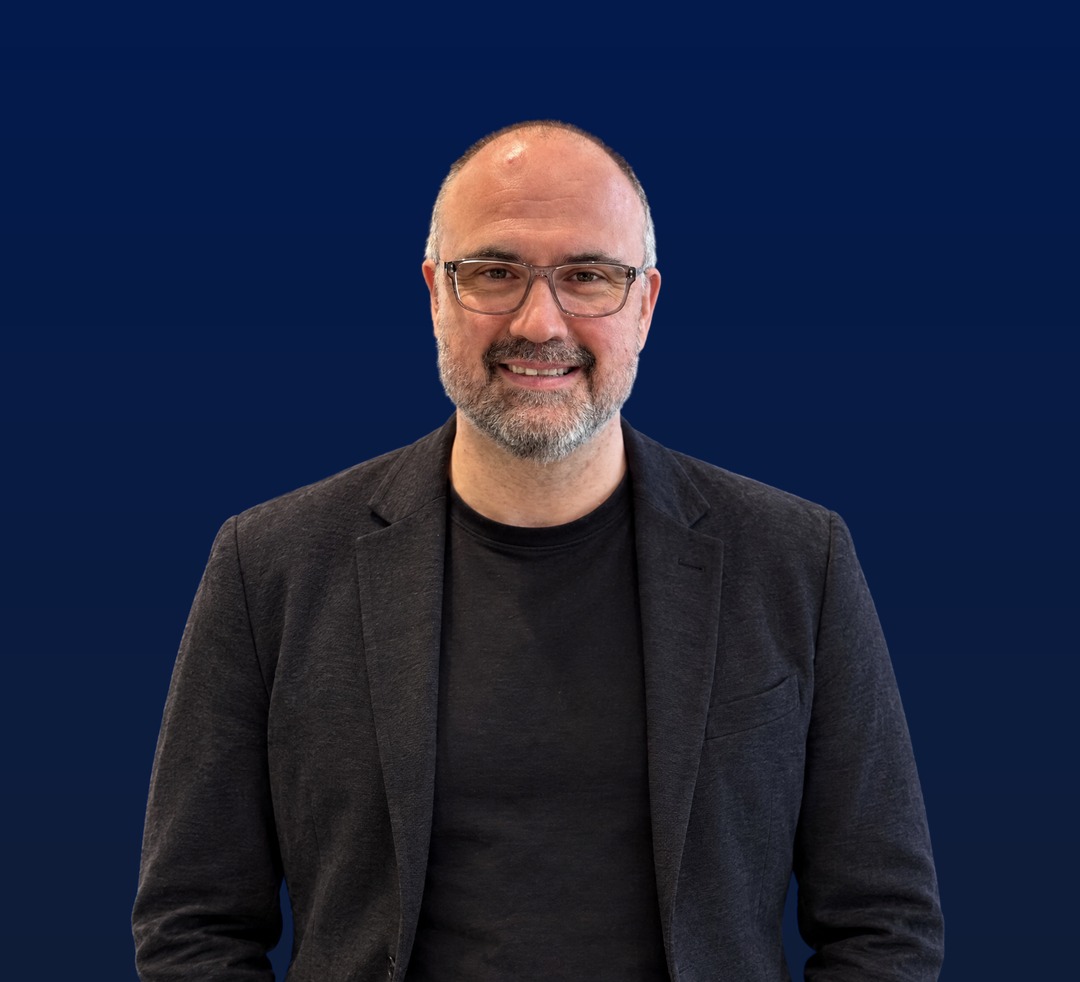
Marc Riegel is a graduate engineer in safety engineering and has been managing director of SAFETEE GmbH since 2013. In this interview he explains how the Critical Radar assesses risks for projects in Germany and who answers for it.
Marc RiegelDipl.-Ing. safety engineering · CEO SAFETEE GmbH
-
What is the Critical Radar, Mr Riegel?
A situation report for everyone who builds, operates or invests in Germany. We collect incidents, legislation, the global situation and project data and state in per cent how likely the next developments are. Every statement has a source, every forecast is released by a person from the SAFETEE editorial team. In short: not an opinion, but an assessment we can be held to.
-
Why does an HSE consultancy build a situation report?
Because we have been on major construction sites and in energy projects since 2013 and always hear the same question: what is coming our way? Risk assessment is our craft. The radar turns it into a running situation report that is updated every week.
-
What separates a forecast from a news item?
A news item says what happened. A forecast says what will happen, how likely it is and by which deadline. For example: will the new grid fee rule for battery storage take effect by the end of 2027? A project manager can plan with that.
-
How do you arrive at a percentage?
We start with the base rate: how often did this happen in comparable cases? Then we add the specific situation, such as permit status, lead times, incidents in the region and politics. Assumptions and early warning signs are shown openly, so everyone can see what the number rests on.
-
And if a forecast is wrong?
Then that is shown just as openly in the scoring. After the deadline every forecast is scored. A 30 per cent forecast that does not happen was right. A 65 per cent forecast that does not happen was wrong. We learn from both for the next forecasts.
-
What role does AI play?
AI helps with collecting and pre-sorting, summarising and translating. It proposes and has to justify every proposal. Only what a named person from the editorial team has released gets published. For me that is not negotiable.
-
Who is on the editorial team?
A team from SAFETEE. Jennifer Stöckel, our chief of staff, keeps the Critical Radar together: processes, schedules, customers. Jan Peukmann, our COO, knows our construction sites and what really happens there in HSE management. Björn Andresen, our CSO, is our safety consulting expert and knows what happens inside companies. I carry editorial responsibility.
-
Who is the radar for?
For operators of critical infrastructure, construction companies and general contractors, energy projects and investors facing a site decision. In short: for everyone who needs to know early whether their project stays on track.
-
What is a project in the radar?
Your specific project, described with three details: sector, type of project and region. For example a new battery storage system in Saxony-Anhalt. For this search profile the editorial team picks out incidents, legislation and global influences and makes forecasts that fit exactly.
-
How fast do you react when the situation changes?
The situation report comes every week. In the Projekt and Partner packages you get a checked assessment within two working days when the situation changes. Better two days with a source than two hours without.
-
How many individual forecasts do I get?
Three a year in the Fokus package, six in the Projekt package, by agreement in the Partner package. We follow each one up to its deadline and adjust it when the situation changes.
-
Which sources do you use?
Mainly official and openly licensed sources: police and fire reports via Presseportal, the Bundestag documentation system, the Federal Network Agency and SMARD, the German Weather Service, Destatis and the Robert Koch Institute. Every source is listed with its licence on the page Sources and licences.
-
What does management gain from it?
A solid basis and time. You see at a glance where it gets critical and decide while it is still affordable.
-
How do I start?
With the free project check on the home page. You describe your project in a minute, and the editorial team sends you a short report within two working days. If you want more, the initial analysis follows.
As of · SAFETEE editorial team · responsible: Marc Riegel
What the Critical Radar adds
How forecasts are made and checked is shown on the pages How forecasts are made and How we check.
Forecasts with probability and deadline How forecasts are made
Sources
- How forecasts are made, SAFETEE GmbH, Stand 27.10.2026
- How we check, SAFETEE GmbH, Stand 27.10.2026
- Sources and licences, SAFETEE GmbH, Stand 27.10.2026
- SAFETEE GmbH, HSE management and safety consulting, SAFETEE GmbH, abgerufen 27.10.2026
All sources were accessed on the date shown. Figures are reproduced unchanged; our own calculations are marked as such. This page is a situation summary, not legal advice.